
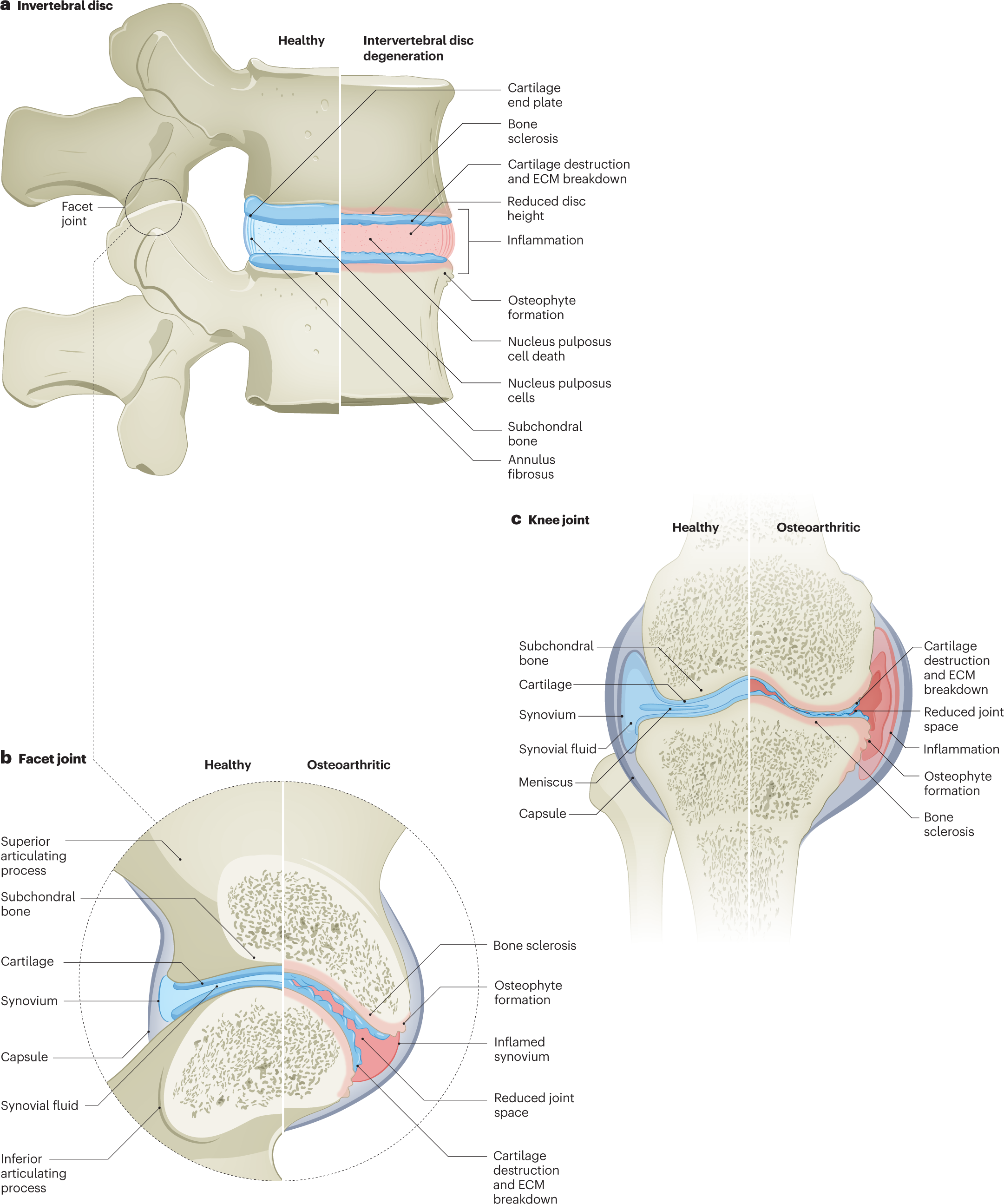
bpc 157 intervertebral disc degeneration study Decoding pathomechanics: from mechanisms to therapeutic horizons Peptide Therapy for Pain Management
Description
Same dose, same injection schedule, same routine

Thus, to illustrate these combining points (i.e., [13, 44, 63]), considering that white matter injury is the major cause of functional loss after SCI [45, 52], it is important to note that cysts and the loss of axons instead of hemorrhagic areas were observed in the white matter in all of the controls beginning on day 7 and that the rats exhibited a tail motor score that persisted with only small improvements, sustained debilitation, sustained tail spasticity until the end of the experiment (day 360), a decrease in the number of large myelinated axons in the caudal nerve, a higher MUP (giant potential) in the tail muscle, and a group of atrophic fibers that likely represented a large unit that acquired many fibers through collateral reinnervation and then degenerated
Its efficiency surpasses manual coding, thanks to its advanced AI algorithms

Synthetically, it is achieved using acetic anhydride or acetyl-imidazole during solid-phase peptide synthesis (SPPS), typically as the final step before cleavage


